
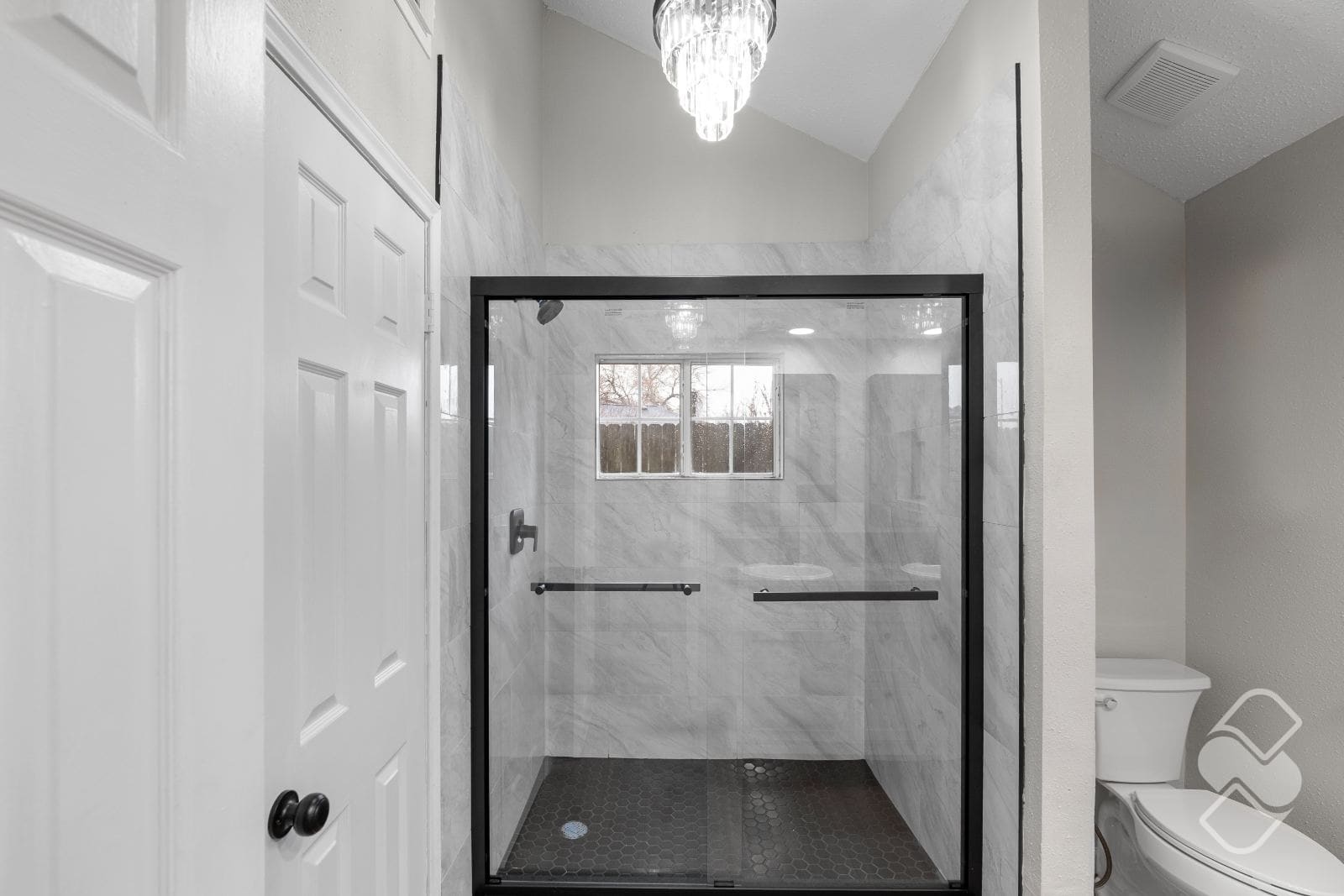
You did the smart thing and got more than one bid. Now you are staring at two or three quotes that are thousands of dollars apart for what sounds like the same project, and the honest question is: apart how? The low one might be the best value or the most expensive mistake on the table. After pricing hundreds of Houston projects, and reviewing plenty of other companies' bids, here is exactly how we would read them side by side.
Rule one: you cannot compare totals, only scopes
The bottom-line number is the least useful line on the page. A $28,000 bathroom bid that includes waterproofing, permits, haul-off and a written warranty can be cheaper than a $22,000 bid that quietly excludes all four. Before you compare a single dollar, put the bids next to each other and answer one question for every part of the job: who is doing what, exactly?
Build a line-by-line checklist
Take the most detailed bid you received and turn its line items into a checklist. Then walk the other bids against it. For a typical remodel, your list should cover:
- Demo and haul-off. Who removes the old material, and who pays for the dumpster or dump runs?
- Surface prep. Subfloor repair, drywall patching, texture matching, priming. Prep is where cheap bids hide their savings and where finishes fail without it.
- The regulated work. Plumbing, electrical and mechanical changes, and whether permits are included where the work calls for them.
- Materials vs. labor. Which materials are included, at what grade, and who buys what.
- Finish details. Transitions, caulk lines, paint touch-ups, hardware installation, the second coat. Small lines, big difference in how finished the job looks.
- Cleanup and protection. Floor protection, dust containment, daily cleanup. If it is not written, do not assume it.
Anything one bid includes and another does not gets priced or crossed off. Only then do the totals mean something.
Watch the allowances
An allowance is a placeholder: "$1,500 allowance for tile" means the real cost gets decided later, after you are committed. Allowances are normal for selections you have not made yet, but they are also the classic overrun machine. For each one, ask two questions: is the allowance realistic for the grade of material you actually want, and what happens to the price when it is not? A bid full of skinny allowances is not a cheaper bid. It is a bid where the real number arrives after you sign.
Read the payment schedule like it matters, because it does
A fair schedule keeps the money roughly in step with the work. A deposit up front is normal, and on larger projects the balance should break into draws tied to visible progress, not to dates on a calendar. The pattern to avoid is a schedule where you would be far ahead of the work: most of the money gone before most of the job exists. Whatever the split, it should be written, and every draw should map to something you can walk over and see.
Check what happens when something goes wrong
Remodeling old houses produces surprises. The bids in your hand differ most in what they say about that:
- Change orders. How are changes priced and approved? In writing, before the work, is the only good answer.
- Warranty. Is there a written workmanship warranty, and for how long? A contractor who plans to be reachable next year writes it down.
- Insurance. Can they produce a certificate of insurance without a speech? "Trust me" is not a document.
Big price gaps mean something. Find out what
When two bids for the same scope are 30 or 40 percent apart, one of three things is true: the low bidder missed something, the low bidder plans to make it up in change orders, or the high bidder is padding. All three are worth understanding before you sign. The fastest way to find out is to ask each contractor to walk you through the other number: "This bid came in at X. What do you think explains the difference?" How they answer tells you as much as what they answer. A pro talks about scope. A salesman talks about the other guy.
Questions that separate the bids fast
- What exactly is excluded from this price?
- Which parts of this job will be done by your own crew, and which by trade partners?
- What would make this price change, and how would I find out?
- Who pulls the permit when one is needed?
- When could you start, and what does the schedule look like week by week?
How to compare remodeling contractors, not just their bids
Once the scopes line up, you are choosing a company, not a number. Five things to check on each one before you sign, in Houston, Katy or anywhere else:
- Insurance. A current certificate of insurance, sent without a speech. Texas does not license general contractors, so this one document does more work here than in most states.
- Licensed trade partners for electrical, plumbing and mechanical. Ask who does the regulated work and whether they hold the trade license the state requires. The answer should be a name, not "we handle it."
- A written scope. Itemized, with the exclusions listed. Our guide to what a written scope includes is the checklist.
- A payment schedule tied to progress. A deposit, then draws you can walk over and see. Never most of the money before most of the job.
- A written warranty. Term, coverage and how to make a claim, on paper. We put a 1-year workmanship warranty in writing on every project.
A contractor who passes all five and still came in low has probably found a smarter way to do the job. One who fails two of them and came in low has found a cheaper way not to do it.
When you want a second set of eyes
This is the part where we tell you what SOS stands for: Second Opinion Service. Reviewing bids homeowners already have is literally what we are named for, and it is free. Send us the quote you are holding and we will give you a straight read: what is solid, what is missing, what to ask about. If the bid is fair, we will tell you that too. Get a free second opinion here, call or text (877) 411-4007, or start with our guide to the signs a contractor plans to cut corners.