
The homeowners who finish a remodel happy almost always share one habit: they budgeted honestly and kept a reserve. The ones who end up stressed usually spent their entire budget on the plan and had nothing left when a surprise appeared. Here is how to set yours up right.
Start with the total, not the monthly
Decide what the project is worth to you as a whole number before you fall in love with finishes. It is easy to nickel-and-dime your way past a budget one upgrade at a time. A clear ceiling keeps every decision honest.
Split the budget into buckets
- Labor - usually the largest share, and where quality shows.
- Materials and fixtures - the part most in your control.
- Permits and fees where the work requires them.
- Contingency - the reserve we will get to next.
For sizing the whole number, a useful rule of thumb: a kitchen remodel typically justifies 5 to 15 percent of your home’s value, and a bathroom 5 to 10 percent. Spend far under that and the work can read as cheap when you sell. Spend far over it and you may not get it back.
Why you need a contingency
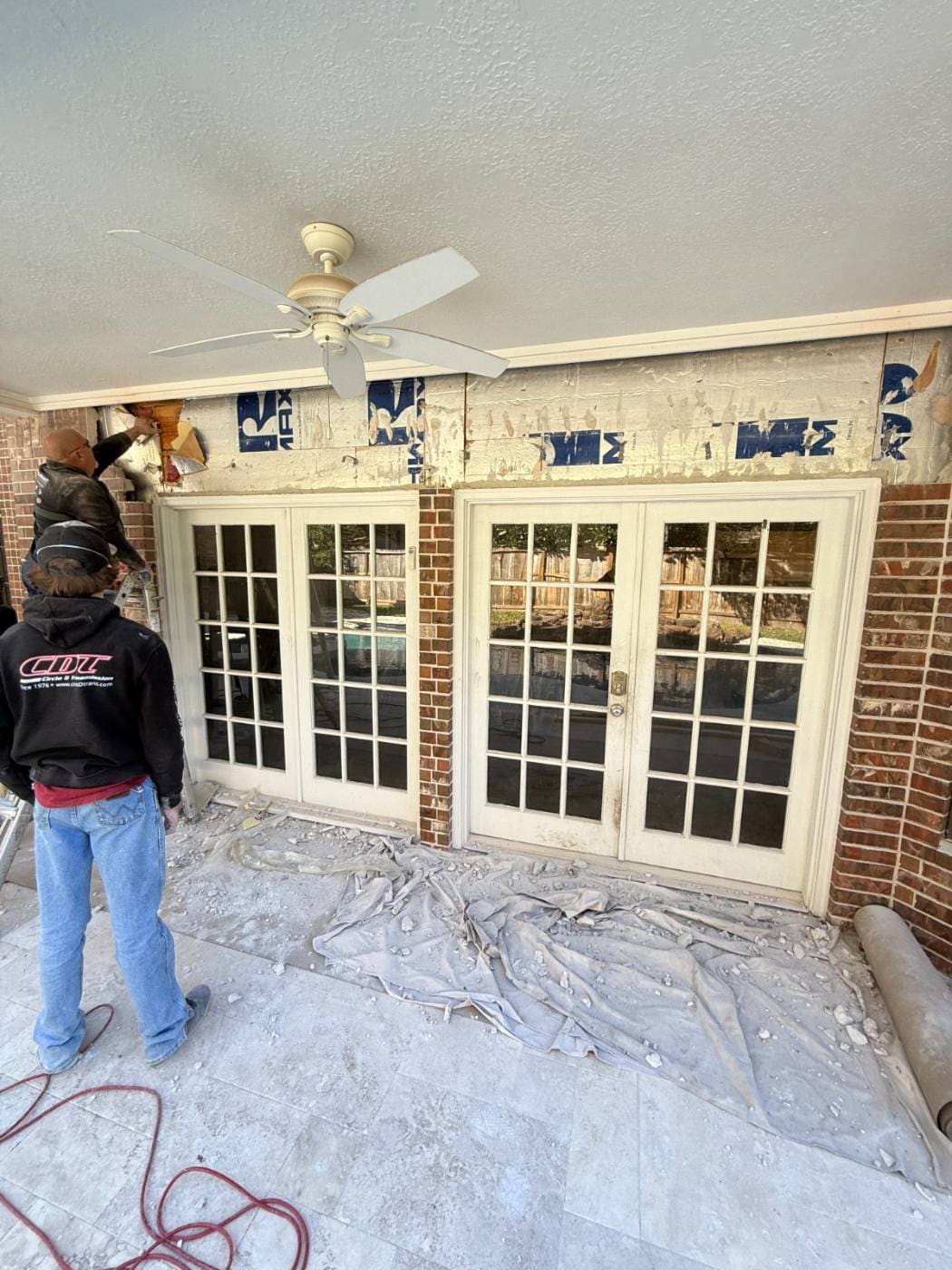
A contingency is money set aside for the unknown - typically 10 to 20 percent on top of the project cost. It is not padding and it is not pessimism. It is planning. Older homes especially hide surprises: outdated wiring, hidden water damage, a subfloor that needs work once the old floor comes up. With a reserve, a surprise is a decision. Without one, it is a crisis.
Where the surprises usually hide
- Behind walls and under floors, once demo opens things up.
- In plumbing and electrical that is not up to current code.
- In water or moisture damage that was quietly spreading.
A good contractor flags these possibilities up front and handles them through a clear change-order process, so nothing gets added to your bill without your say-so.
You do not have to pay it all at once
A remodel is an investment in a home you live in every day. We offer financing so you can spread the cost, and for bigger projects we can phase the work. Read more on whether financing a remodel makes sense.
On payment structure: what matters most is that the schedule is written into the contract before work starts, with each payment tied to progress you can see. On smaller projects it is common to collect about half up front and the balance at completion. Larger projects typically break into milestone draws, an initial deposit and staged payments as phases of the work finish. Texas law adds real protection here: on written homestead remodeling contracts over $5,000, the contractor is required to deposit your payments into a construction account. A contractor comfortable with a written schedule and paperwork is a contractor planning to finish.
Budget for the project you want, then hold a reserve for the house you actually have. That reserve is what keeps a surprise from becoming a stalled job.
We will give you an honest, itemized number so you can plan with confidence. Get your free quote.