
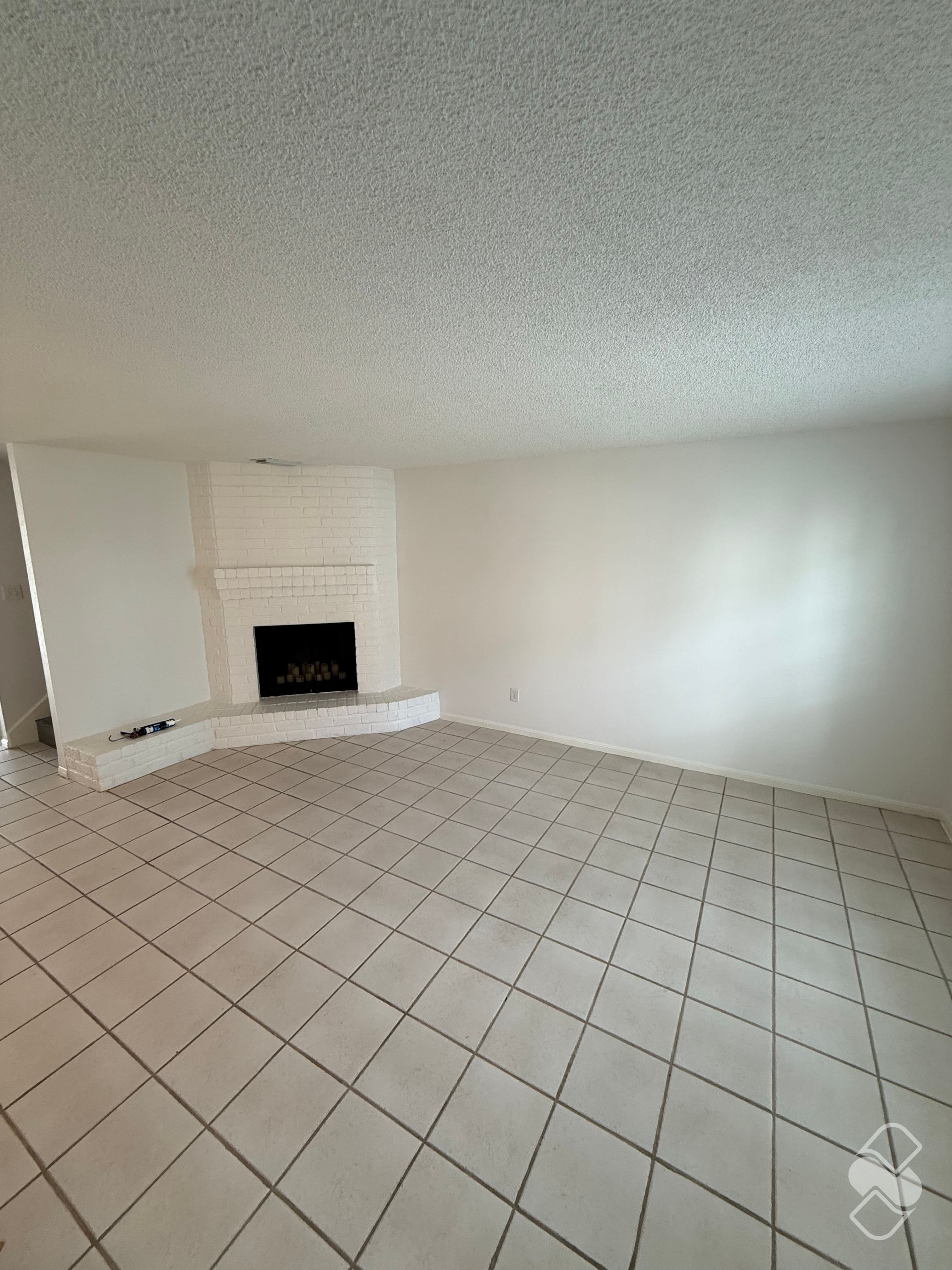
A make-ready is a different job from a remodel. You are not building the house you want to live in. You are getting a house to the point where it shows well, passes an inspection, and stops costing you money every week it sits. That changes every decision, starting with the first one: what to fix, and what to leave alone.
We do these regularly for investors, landlords and families selling a house they inherited. Mandana’s townhome took two weeks. A flooded family home in Katy took three. Cathy’s rental and the Moonflower house went all the way to listing photos. The pattern is usually the same, and it is worth knowing before you get a quote. Every house and every market is different, and your agent knows yours; this is what we see on the jobs we do.
Fix first: anything an inspector or a tenant is likely to find
In our experience these tend to cost you twice if you skip them: once when the buyer’s inspector writes them up, and again when the buyer uses the report to negotiate. Fix them first, before anything cosmetic.
- Active leaks and what they damaged. At Mandana’s townhome the stain on the kitchen ceiling led to a broken toilet flange upstairs. At the Katy house a leaking toilet supply valve had soaked the whole slab while the house sat empty. Painting over a stain usually costs more later than fixing what caused it.
- Floors that move. Cathy’s rental had a hump over one beam pushing up through brand new flooring. We opened the floor and reframed that section flat before a single plank went down.
- Rot, soft spots and water at the base of walls. Door casings that wicked water, cabinet bottoms that sat in it, siding that has let go.
- Anything electrical or plumbing that is unsafe or obviously wrong. Loose outlets, a dead GFCI, a valve that will not shut. Licensed pros where the code calls for it.
Fix because it sells the house
These are the changes that tend to move a listing photo and a walkthrough, in roughly the order we see them pay back.
- Paint everything, one neutral. Walls, ceilings where they need it, trim, closets and pantry shelves included. Wallpaper comes down and the wall gets retextured to match, because a painted-over seam can read as a shortcut from across the room.
- One continuous floor through the living areas. Carpet out of the living room and hall, plank in, and the rooms run together. If the existing tile is sound, keep it. At the Katy house the ceramic tile throughout was fine, so we left it and replaced only the bedroom carpet.
- The kitchen, without a kitchen remodel. If the cabinet boxes are sound, repair and paint them and put new counters and a backsplash on top. At the Katy house the solid oak cabinets had water-damaged bottoms; we repaired the damaged sections, painted them, and set quartz over them. To most buyers that reads as a new kitchen, usually at a fraction of what new cabinets cost.
- Bathroom floors, fixtures and caulk. A new tile floor in a small bath is often a two-day job, and it changes how the whole room reads. Tubs and surrounds that are sound usually get cleaned and re-caulked rather than replaced. Mandana added the bath floors after the job was done, and it was the right call.
- Lighting and fans. Dated fixtures and wobbling fans. Inexpensive per item, and they show up in every photo.
- The outside. Pressure wash the house, the driveway and the walks. If the trim, garage door and front door are faded, one dark color on everything that is not brick can make the whole house look maintained. Britney’s ranch went from tired green to Caviar in three days.
Think twice: what a buyer or tenant usually will not pay you back for
- Moving walls or plumbing. A layout change is a remodel, and the market for a rental or a resale rarely prices it in.
- Replacing cabinets that are sound. Paint them. Few buyers open a listing and notice the boxes are original.
- Tearing out tile that is fine. Clean it, regrout if needed, and move on.
- Premium finishes. Quartzite, custom glass, designer tile. The next owner often wants their own anyway.
- Landscaping beyond cleanup. Trim, mulch, wash. Leave the planting to the next owner.
- Anything you would be doing for yourself. If the honest answer is "I would like it," it probably does not belong on a make-ready.
The order, and how long it takes
A make-ready runs faster when it runs in the right order, because each step protects the one after it.
- Walkthrough and a written scope with a fix or skip decision on every line. At Mandana’s we walked the property with the owners, said what needed repair and what only needed updating, and wrote it up before anything started.
- Demo and repairs. Leaks, floors, rot, wallpaper down, walls opened where they need to dry.
- Paint. Before the floors, so nothing drips on new plank.
- Floors. Then baseboards.
- Counters, backsplash, bath floors.
- Fixtures, fans, hardware, caulk.
- Pressure wash, clean, photos. The Moonflower house got professional listing photography, including a dusk shot of the front, because the photos do a lot of the selling.
On our jobs that whole list has run about two weeks for a townhome and about three for a flooded one-story house with a kitchen and a deck in it. Add a few days if you decide on extras once the house looks good, which most owners do.
How the money works, without numbers
We do not quote a house we have not walked, and every house is different, but the relationships tend to hold. Paint and plank together usually cost less than one bathroom rebuild. Repairing sound cabinet boxes and painting them runs a fraction of replacing them, and the counters on top are what the buyer sees. A bath floor is typically a fraction of a full bath rebuild. The expensive items on a make-ready are almost always the ones you did not plan for, which is why the walkthrough matters more than the finish schedule: the leak you find on day one is usually a small repair, and the one the inspector finds usually is not.
What to ask whoever quotes it
- Will you walk it with me and mark every line fix or skip, in writing?
- What did you find that I did not ask about?
- Are you painting before the floors go in?
- Which of these items would you skip if it were your money?
- What is the date the house is ready to show?
If you own a rental between tenants, a house you are about to list, or a property you just closed on, ask us to walk it. We will tell you what it needs, what it does not, and write both down with a date. Done right is cheaper than done twice, and on a make-ready it is usually faster too.